

The DRC government hinted that it would not dismantle the FDLR

Tetha Joselyne MUGABIRWA
4 Min Read

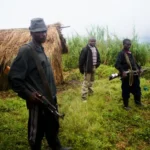
The government of the Democratic Republic of the Congo (DRC) has once again downplayed the threat posed by the FDLR, a terrorist group that has operated in the country’s eastern region for nearly 30 years while continuing to undermine security in Rwanda and the wider region.

More than a year has passed since Rwanda and the Democratic Republic of the Congo (DRC) signed a peace agreement brokered by the United States. A key pillar of the deal was the dismantling of the FDLR and the subsequent removal of Rwanda’s defensive security measures.
On June 27, 2026, Massad Boulos, Senior Advisor to the U.S. President on Africa, stated that the peace agreement signed in Washington, D.C. was not being implemented.

Boulos stated that the DRC government had failed to fulfill its obligation to dismantle the FDLR, at least in the areas under its control. His remarks contradicted Kinshasa’s claims, made since late March 2026, that it had already begun operations to dismantle the armed group.

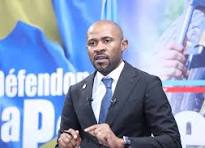
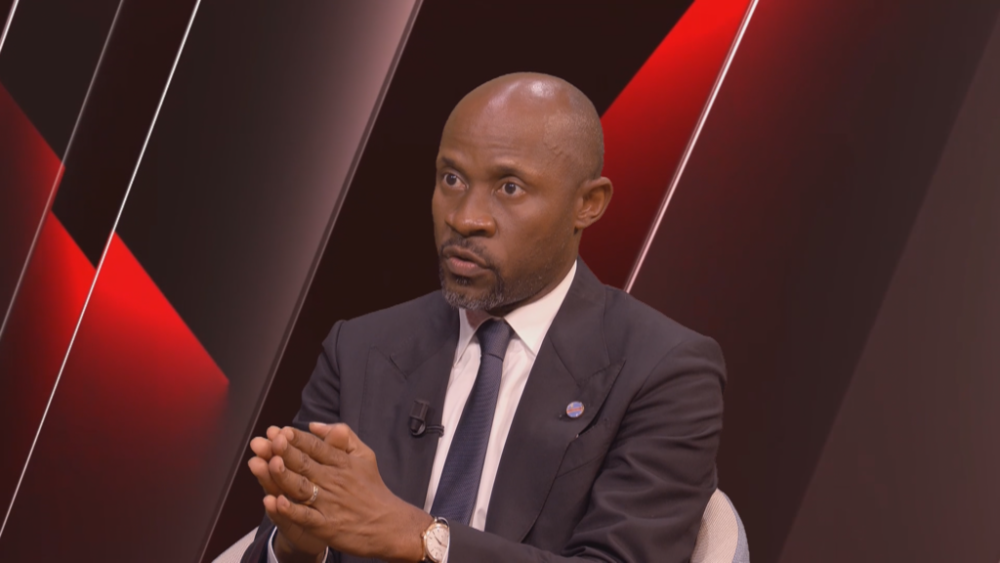
In an interview with journalist Marc Perelman on France 24, DRC government spokesperson Patrick Muyaya was asked why the authorities had not dismantled the FDLR. He sought to explain that the fighting in Uvira Territory in early December 2025 had disrupted the implementation of that plan.

The Battle of Uvira pitted a coalition of the DRC armed forces (FARDC), Burundian troops, Wazalendo militias and the FDLR against the AFC/M23 alliance. The fighting erupted nearly six months after the Washington peace agreement had been signed.

Muyaya told the interviewer that, during a security meeting involving representatives from Rwanda, the DRC, and the United States following the agreement, the parties had acknowledged that FDLR fighters were present in six areas—five under the control of AFC/M23 and one controlled by the DRC government.

The government spokesperson reiterated that Kinshasa remained committed to implementing the peace agreement. However, the journalist interrupted him, saying, “But you are not dismantling the FDLR. You’re saying it’s not possible because of the current situation.”

In response, Muyaya shifted his argument, claiming that the FDLR was merely a pretext used by the Rwandan government. He argued that in 2020, when Félix Tshisekedi had been president for about a year, some members of the terrorist group had already been repatriated.

“Let me remind you that in 2020, about a year after the President took office, I believe we repatriated some of those individuals to Rwanda. Naturally, the DRC is the first to seek peace because the war is taking place on our territory,” Muyaya said.

The interview ended without the DRC government spokesperson explaining why President Félix Tshisekedi’s administration is no longer fulfilling its obligation to dismantle the FDLR.

The Rwandan government maintains that, instead of dismantling the FDLR as required under the Washington peace agreement, the DRC authorities have increasingly cooperated with the armed group, fighting alongside it in military operations against the AFC/M23 alliance.

Patrick Muyaya Confirms FDLR Presence in Six Areas of DRC, Again Calls It Rwanda’s Pretext
Share This Article
Leave a comment

Leave a Reply

Your email address will not be published. Required fields are marked *