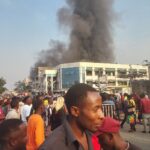



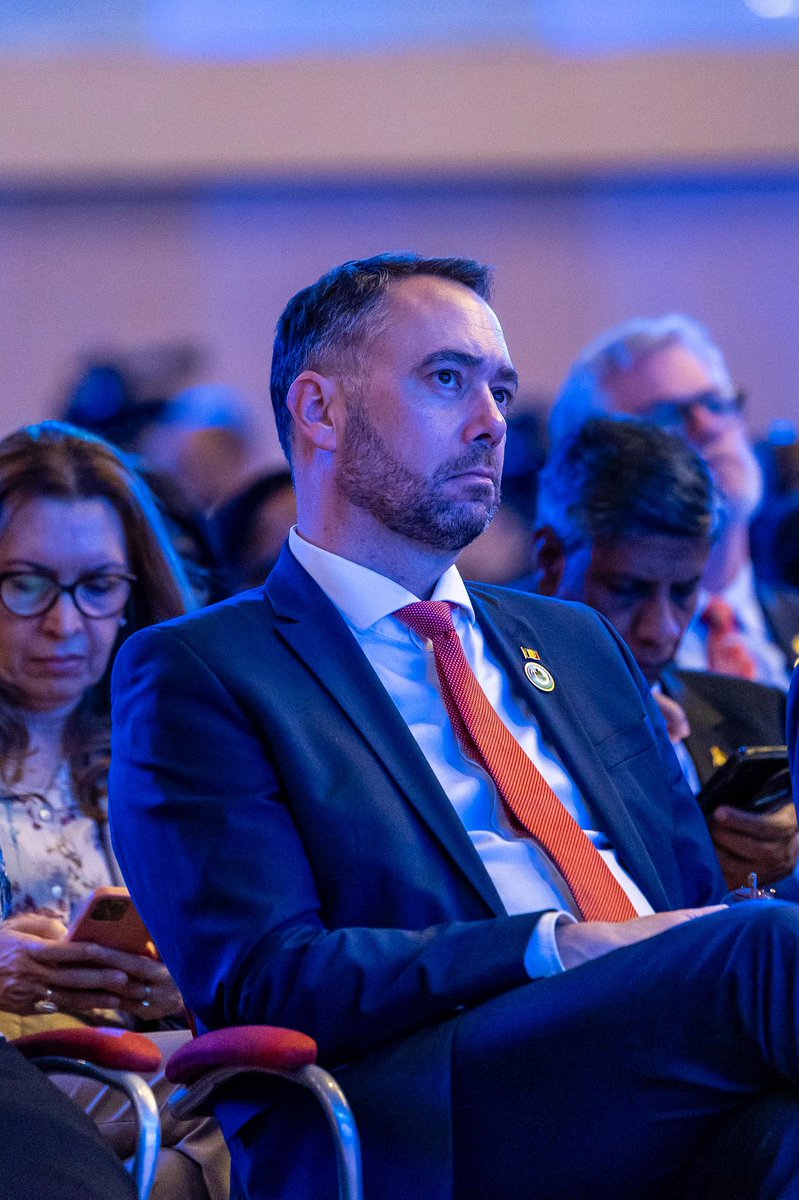
The Belgian government has expressed deep concern over the recent protests in Kinshasa, the capital of the Democratic Republic of Congo (DRC), which descended into unrest and violence. According to reports, the demonstrations were accompanied by clashes and acts of vandalism that left several people injured and claimed the lives of others. Brussels called for calm and urged all parties to exercise restraint, emphasizing the importance of protecting civilians and respecting fundamental rights. The events have sparked renewed concerns about security and political stability in the DRC.
In a statement he released, he said:
“The unrest that took place on Friday in Kinshasa is deeply concerning to us. Excessive acts of violence, the disproportionate use of force that resulted in civilian deaths, as well as the destruction of political party offices, have no place in a democracy. The freedom to demonstrate peacefully in order to express views that differ from those of the government is a fundamental principle that must be respected in order to build a nation governed by the rule of law.”
The official went on to say that Belgium welcomed the decision by the authorities of the DRC to launch an investigation into the incident, expressing hope that it would be conducted in a fair and impartial manner so that the truth about what happened and those responsible can be identified, whether they are state officials or any other individuals involved in the acts of violence.
Belgium’s remarks come at a time when the political landscape in the DRC continues to be marked by growing tensions between the administration of President Félix Tshisekedi and the opposition.
Over the years, opposition groups have frequently accused the government of obstructing their political activities, including banning meetings and demonstrations, as well as using excessive force against critics. On the other hand, the authorities in Kinshasa maintain that the measures they take are intended to preserve the country’s security and stability.
Political analysts say that protests and unrest such as these highlight an ongoing challenge in the DRC’s political landscape, where opposing sides continue to disagree over the governance of the country, the conduct of security institutions, and the respect for human rights.
Belgium’s statement could have implications for its relations with the DRC, particularly given that Belgium is one of Kinshasa’s key partners in diplomacy, development, and international cooperation.
Analysts say that calls for an independent investigation and condemnation of the excessive use of force could increase pressure on the DRC government to explain what happened and demonstrate its commitment to democratic principles and the rights of its citizens.
This may also continue to attract international attention and scrutiny on the political situation in the DRC, especially as the country continues to face insecurity in its eastern region, as well as ongoing disputes related to governance and the functioning of state institutions.