


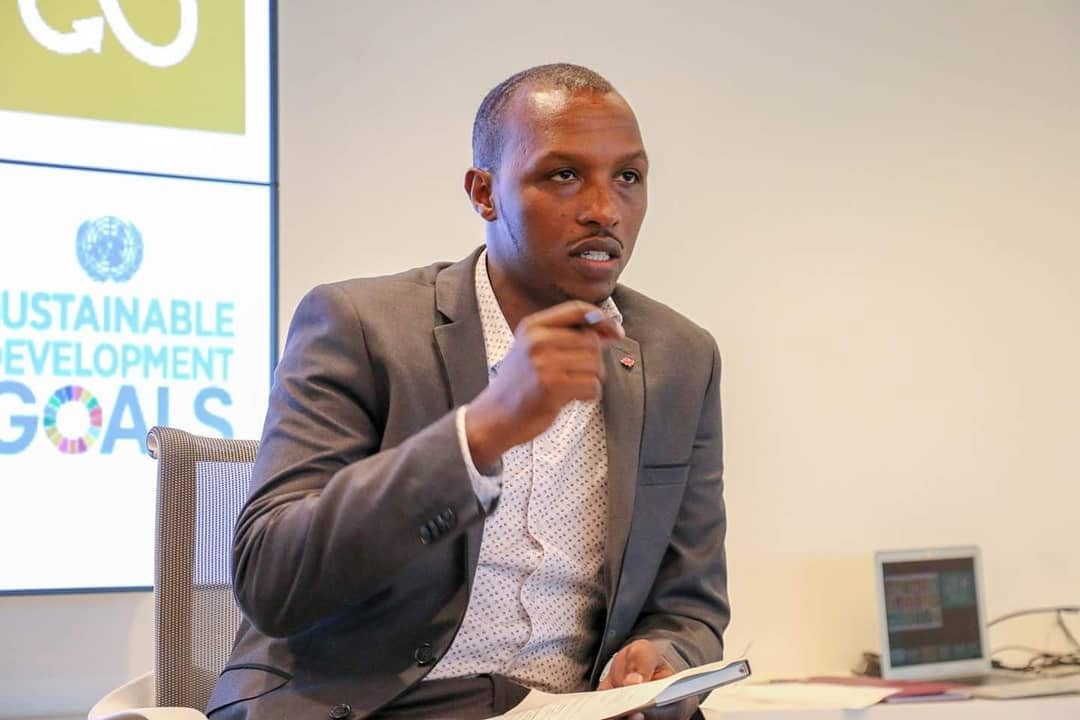
The AFC/M23 coalition has alleged that the government of the Democratic Republic of the Congo (DRC) is contributing to the persistence of the Ebola outbreak, urging the United States to first examine Kinshasa’s role in addressing the epidemic.
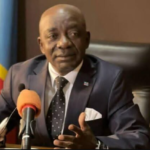
The statement was made by Willy Manzi, Deputy Governor of North Kivu Province, in a message posted on X in response to U.S. Ambassador to the United Nations Mike Waltz.
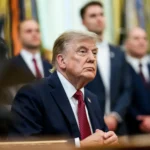
Ambassador Waltz had announced that the United States would continue working with the DRC government in fighting the Ebola outbreak, while also supporting efforts aimed at restoring peace and security in different parts of the world.
“We need strong international partners to share responsibilities. The United States will continue working with the DRC in the fight against Ebola and support efforts to restore stability in Sudan, as well as other important initiatives,” Waltz said.
Following the statement, Willy Manzi responded that international cooperation is important, but argued that the issue of leadership, which he accused of contributing to the worsening of the outbreak, must first be addressed.
“Unless you set aside this leadership until Ebola is over, because it is the one contributing to fueling it,” he said.
AFC/M23 has for some time accused the Kinshasa government of failing to address security and governance challenges in eastern DRC, where the group has taken control of several areas.
However, in his message, Willy Manzi did not provide detailed evidence on how the DRC authorities were allegedly contributing to the continuation of the Ebola outbreak. Instead, he emphasized that governance issues should be considered while efforts are being made to contain the disease.
This comes as health authorities in the Democratic Republic of Congo and international partners continue efforts to combat Ebola, including monitoring cases, providing medical support, and encouraging communities to take measures to prevent the spread of the disease.
Ebola is one of the recurring epidemic diseases in the DRC, and controlling it requires cooperation between government institutions, communities, and international organizations.
Figures from the Ministry of Health of the Democratic Republic of Congo show that, as of July 18, 2026, a total of 2,344 cases of Bundibugyo Ebola had been confirmed, including 930 deaths.