


The Democratic Republic of Congo (DRC) is going through a serious political period, as opposition groups continue to call for inclusive national dialogue aimed at finding solutions to the long-standing challenges facing the country. While President Félix Tshisekedi recently announced plans to launch national talks, his opponents argue that the dialogue will only be meaningful if all parties involved in Congo’s problems are included.
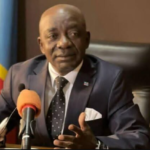
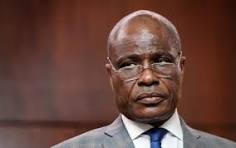
In an interview aired on Saturday, ECiDé party leader Martin Fayulu reiterated that the C64 coalition has long been calling for comprehensive national dialogue involving all sides. He said this is the only way that can lead the country toward lasting peace and provide sustainable solutions to its challenges.
Fayulu said there are three issues that cannot be negotiated or changed. The first is rejecting what he described as the “balkanization” of the DRC, the second is opposing any attempt to amend the Constitution, and the third is supporting inclusive national dialogue involving all parties. He emphasized that the dialogue should not focus only on political issues but should also address the root causes of the country’s security challenges, governance problems, and the social difficulties that have affected citizens for many years.
In strong remarks, Martin Fayulu said August 15, 2026, should be the deadline by which the government officially convenes the dialogue. He warned that if this does not happen, the C64 coalition will intensify its political activities and mobilization efforts. He added that even if there are attempts to block the initiative or suppress its supporters, they will continue their struggle. He stressed: “The people of Congo are determined to free themselves from a government that oppresses them.”
Regarding the structure of the expected talks, Fayulu said the country has experience from the Sovereign National Conference (Conférence Nationale Souveraine). He expressed confidence in religious leaders, particularly CENCO and ECC, saying they could help organize and lead a dialogue that would be trusted by all sides.
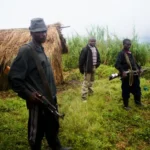
One of the most discussed points from the interview was Fayulu’s call for the dialogue to include all parties involved in Congo’s problems, including armed groups. He openly said that the AFC/M23 movement should take part in the talks because it is currently fighting government forces and is one of the actors involved in the conflict with the authorities. He also questioned why other armed group leaders, including Thomas Lubanga and others, should not participate if the goal is to achieve comprehensive peace.
Fayulu’s statement could fuel further political debate in Congo, as some oppose the idea of negotiating with armed groups, while others argue that lasting peace cannot be achieved without dialogue involving all sides in conflict.
At present, the DRC’s political situation remains at a critical point. On one hand, President Félix Tshisekedi’s government has announced its readiness to hold national dialogue. On the other hand, opposition parties and coalitions such as C64 are demanding that the talks include all stakeholders and remain independent, arguing that they should not be controlled solely by the government.
There is also a security crisis that continues to affect eastern Congo, where fighting persists between government forces and various armed groups. This has led many people to believe that the political crisis cannot be separated from the security situation, and that national dialogue should therefore address both challenges at the same time.