

FDLR continues to entrench itself in the DRC and Burundi – Col (Rtd) Bora

Tetha Joselyne MUGABIRWA
6 Min Read

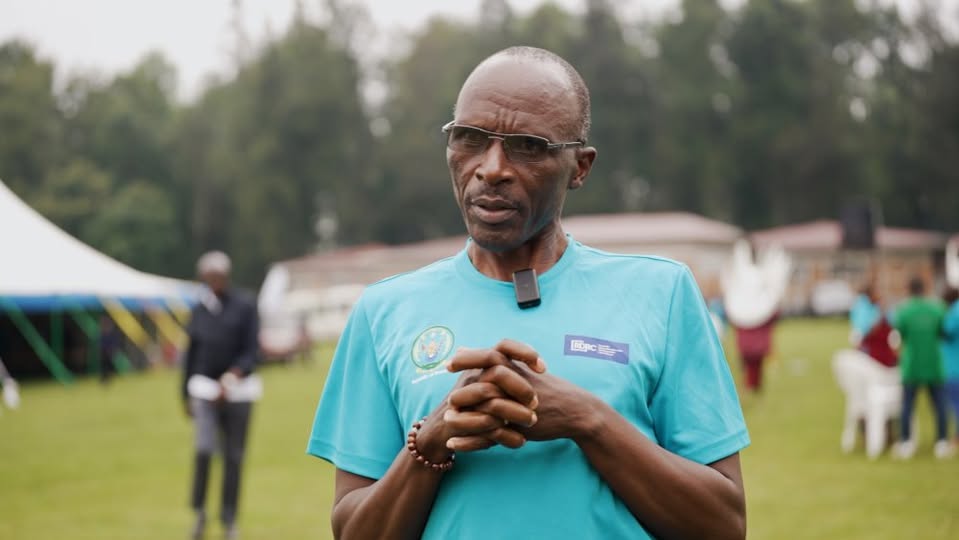
Col (Rtd) Augustin Nshimiyimana “Bora”, a former FDLR intelligence officer, stated that the terrorist group FDLR is supported by the Kinshasa government and Burundi, and has a plan to target Tutsis from Rwanda, then extend its operations to Burundi, Uganda, and Somalia. He added that the group cannot be dismantled by the FARDC because of integration and intermingling.

He made the remarks on June 27, 2026, during the closing of a consultative conference on the history of the Genocide against the Tutsi and the Liberation Struggle, held at Intare Arena and attended by President Paul Kagame and First Lady Jeannette Kagame, members of Unity Club, and other leaders.

In his interview, the man explained how he joined the FDLR and how the group planned activities aimed at destabilizing Rwanda with the intent of killing Tutsis.

Col (Rtd) Bora said that children left in the forests and those born there are the ones now being sent for military training in Kananga.

He said: “They go as Congolese. There is someone called Calendo Padiri. His military mentor was Rwarakabije, who assigned him instructors. After completing his training, he felt confident and went to Kinshasa. He is now in charge of demobilized forces in the Democratic Republic of Congo.”

He said that among FARDC soldiers who were formerly FDLR fighters is Brig. Gen. Mugabo Hassan.

He stated: “When we were still in the camps, he was a fighter. In the camps that had not yet been dismantled, former FAR forces sent people to train combatants. Mugabo’s ideas were no different from those of the ex-FAR or ours. Even now, he is in Kinshasa.”

Another person mentioned is Mwami Bigembe Turikunkiko. He explained that Bigembe was originally a hunter in Gatoyi. When they arrived there, he was given training and quickly became a prominent politician, even becoming the king of Gatoyi.
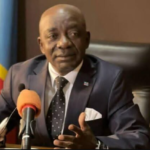
He added: “I want to tell you another source of FDLR’s strength that is not soldiers. There are members of parliament. Over there, there are provincial and national parliamentarians. All of them come from the area we controlled; you could not vote before we had already voted for ourselves. This means there were provincial and national MPs we had installed. When a citizen came to vote, we first showed them those who would vote for us before they could vote for others.”

He further explained that individuals such as Serubuga, Safari Nganizi, Safari Nyagatare, and others elected in Masisi and other areas all represented the interests of various groups, including the FDLR.

He said: “Those Members of Parliament would come and tell the leaders what they would do for the FDLR, and they would arrive with donations of medicine and money because they were inside the FDLR.”

Nshimiyimana said that after the former FAR lost the war, they fled with the national radio, which moved from Kigali to Gitarama, and was later taken together into Zaire.

He said the radio was later moved to Burundi. He added: “It is now called REMA Radio, and it is currently owned and operated by CNDD-FDD.”

He further claimed that CNDD-FDD shares the same ideology as the FDLR, noting that even its founding in Lubumbashi involved Col. Renzaho, and that they follow the guidance of former FAR officers. He said that even today, the anti-Tutsi ideology of the ex-FAR is still present.

Regarding the battle for Goma, where FARDC forces clashed with the AFC/M23 coalition, Bora said MONUSCO was responsible for technical intelligence, FDLR handled ground intelligence, while FARDC provided logistics and equipment.

He added that due to international pressure, President Tshisekedi merged FDLR with the Wazalendo, making it difficult to distinguish the groups today as they now fight alongside FARDC.

He said that the FDLR armed group is supplied with weapons by some soldiers and that it cultivated large parts of the DRC.

He stated: “We used the population. They had two days of communal work per week where they would farm for us, then also farm for themselves on the land we allocated to them. We charged them 80 dollars per hectare, and when it yielded crops, they would give us 40 kilograms.”

In Nyakagina, he said they even sold land there, to the extent that even local authorities ended up buying it.

Bora added that dismantling the FDLR would require efforts beyond those of the FARDC because the group is deeply integrated. He said its ideology is aimed at taking over Rwanda, Burundi, Kenya, Uganda, and Somalia in order to eliminate Tutsis in those countries.


Share This Article
Leave a comment

Leave a Reply

Your email address will not be published. Required fields are marked *