


In 2021, intelligence agencies foiled an alleged plot by the Allied Democratic Forces (ADF), a designated terrorist group, to carry out attacks in Rwanda’s capital, Kigali. The planned attacks were reportedly intended as retaliation for Rwanda’s military operations against the Ansar al-Sunna insurgent group in Mozambique’s Cabo Delgado Province.
The ADF, which is considered a branch of Daesh (ISIS), was viewed as a serious threat because its plan began being developed shortly after Rwandan forces arrived in Cabo Delgado in July 2021. The group’s leaders reportedly warned that they would target critical infrastructure and senior officials in Kigali, while recruiting individuals to help carry out the attacks.
Rwanda’s security and intelligence agencies detected the plot at an early stage and launched operations against individuals suspected of collaborating with the group. Between August and September 2021, 13 people were arrested.
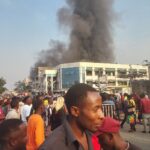
Those arrested reportedly revealed that they had been instructed to bomb Kigali City Tower, a fuel station in Nyabugogo, and carry out attacks against senior officials in the Rwanda National Police. The alleged operation was said to have been directed by a person identified as Omar Farouk, also known as Adamu Nyange.
Starting in November 2021, Ugandan forces entered eastern Democratic Republic of Congo to target the group through operations known as “Operation Shujaa.” The intervention came after the ADF continued carrying out attacks in Kampala, including an attack near the Parliament building and another targeting a police station.
A new report by United Nations experts released in late June 2026 indicates that, despite nearly five years of joint military operations by Ugandan and Congolese forces against the ADF, the group has continued adapting its tactics, allowing it to survive despite its limited capabilities.
The Deadliest Armed Group in the DRC
Angered by military operations carried out by the armed forces of the Democratic Republic of Congo (FARDC) and Uganda against them, ADF fighters killed more than 1,000 civilians last year. The attacks were carried out using firearms, traditional weapons, and other brutal methods, including burning victims inside their homes.
The ADF continues to strengthen its presence in Beni and Lubero Territory in North Kivu Province, as well as in Irumu and Mambasa territories in Ituri Province. A United Nations report indicates that the group deploys its fighters in a highly organized manner, avoiding permanent bases and making extensive use of key roads, including RN4 and RN44.
These routes are used to transport supplies, recruit new fighters, move weapons and ammunition, and monitor the movements of security forces fighting the group as well as those of civilians.
The group reportedly maintains two major operational bases from which its activities are coordinated: its main headquarters in Medina, Ituri Province, led by its overall commander Musa Baluku, and another base in western Lubero, headed by his deputy, Seka Umaru.
Specialized ADF factions, including the one led by Mzee Meya Sebagala in Ituri and another commanded by Ahmad Mahmood Hassan, also known as Abwakasi, in Lubero, are accused of being responsible for many attacks that have resulted in civilian deaths in these areas.
The ADF’s continued survival is largely attributed to its adaptive tactics. When Ugandan forces intensify military operations, the group reduces attacks on civilians and instead focuses on reorganizing its structures and raising funds through activities such as illegal mineral trading. This strategy was observed between March and June 2025.
Following Ugandan military operations against the ADF’s Medina stronghold in March 2025, the faction led by Abwakasi reportedly carried out retaliatory attacks in November 2025, including an attack that killed 71 civilians attending a funeral ceremony in Nturo. The Meya Sebagala faction also reportedly killed 41 people who were praying in Komanda in July of the same year.
When forces involved in Operation Shujaa intensified their attacks in March 2025, Abwakasi’s fighters reportedly moved more than 100 kilometers west of Mambasa, an area where Ugandan forces were operating, and killed several civilians in Muchacha.
Due to weaknesses in governance and state control in the Democratic Republic of Congo, the ADF has been expanding toward the borders of Ituri, Tshopo, and Haut-Uélé provinces, leaving civilian victims in its wake wherever it operates.
Using Technology and Spreading Its Ideology
The ADF’s integration into Daesh (ISIS) networks has enabled the group to access more advanced technological tools. The group once released a video in which it abandoned the name it had used since its formation in Uganda and announced that it was operating under the name “ISCAP” (Islamic State Central Africa Province).
The ADF reportedly uses Starlink internet terminals, which allow it to share high-quality videos. It uses these platforms to spread its messages, including what it describes as a “holy war against Christian Congolese.” The group currently uses online platforms such as YouTube, TikTok, and Facebook to promote its propaganda.
Economically, as financial support from Daesh declined, the ADF reportedly increased its efforts to raise funds by extorting local communities in the Democratic Republic of Congo.
The group introduced taxation systems, requiring cocoa farmers to pay for a permit known as “Amani na Upendo,” which allows them to harvest their crops, and another permit called “Dubius,” which allows civilians to travel. Those who refuse to pay these fees are reportedly killed.
The group has also intensified kidnappings along the area linking Komanda and Luna. For each person abducted, the ADF reportedly demands between $2,000 and $5,000 from families in exchange for their release. Those who cannot pay may be subjected to forced labor or killed.
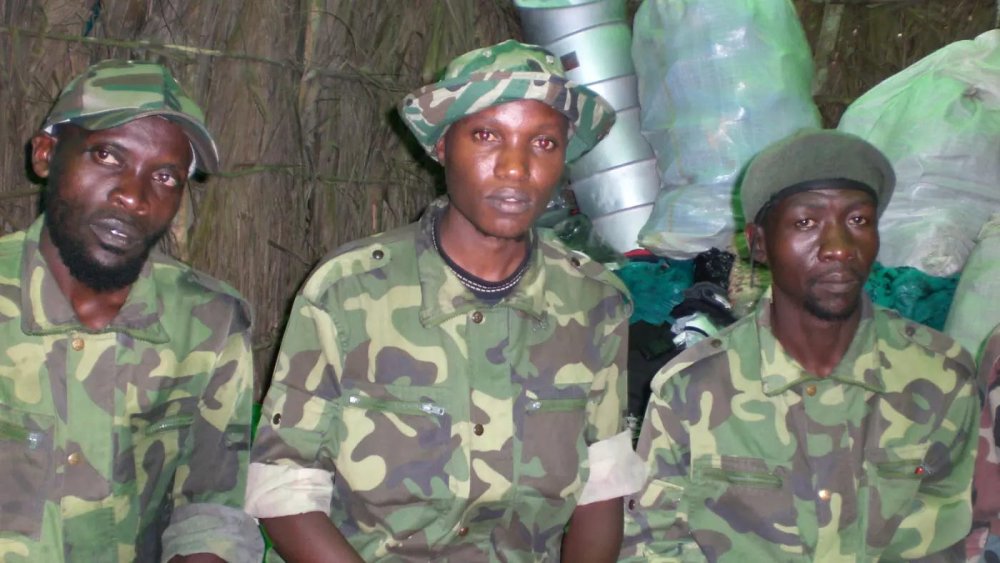
The group’s activities demonstrate that it remains a major security threat, not only to the Democratic Republic of Congo but also to the wider East African region, especially because its fighters originate from several countries, including the DRC, Uganda, Kenya, and Tanzania.