


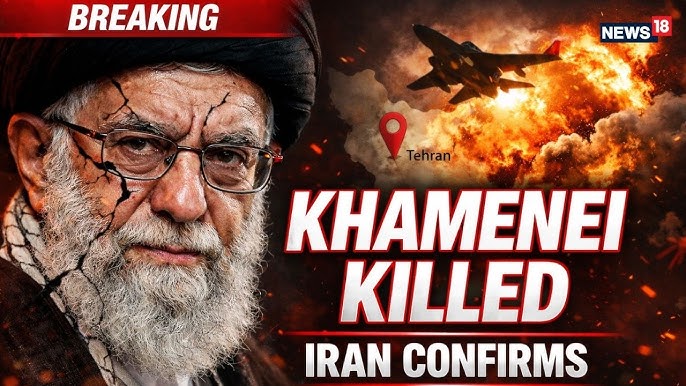
Hezbollah leader Naim Qasem has mourned the Iranian Supreme Leader Ali Khamenei, calling him a martyr who leaves behind tens of millions of devotees.
Qasem said that what he described as “the criminal American and Zionist aggression” that targeted Khamenei represented “the height of criminality”, pledging “we will fulfil our duty in confronting aggression, confident in Allah’s victory, guidance, and support”.
The Lebanese shia Hezbollah, which is considered one of the most prominent groups sponsored by Iran in the region, is organising a public gathering later today in loyalty to Khamenei and in support of Iran.
Since the 1979 revolution, Iran has been governed by Shia religious leaders, and its political and military institutions are structured to protect this form of rule.
A system is in place to appoint a successor to Khamenei, an election by a body of 88 religious figures known as the Assembly of Experts. These clerics are loyal to the regime and will choose someone who will continue Khamenei’s path.
But Iran’s most powerful institution is the Islamic Revolutionary Guards Corp (IRGC), a pervasive, ideological military force whose purpose is to guard Iran’s Islamic system. It is fighting back against the US and Israel and will tolerate no dissent at home.
The IRGC is expected to play a decisive role in shaping the succession – and in ensuring that any new leader protects its interests.