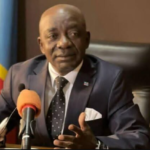



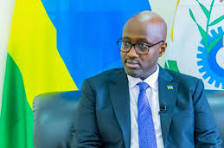
Rwanda’s Minister of Foreign Affairs and International Cooperation, Ambassador Olivier Nduhungirehe, strongly criticized Congolese opposition politician Martin Fayulu for saying that the Banyamulenge are not Congolese.
When Fayulu was speaking at a press conference in Brussels, Belgium, he claimed that every ethnic group in the Democratic Republic of Congo has its own distinct language, but that the Banyamulenge do not because they speak Kinyarwanda. He used this argument to claim that they originate from Rwanda.
The politician said: “Which Congolese person here does not have a language? Raise your hands. Is Kinyamulenge a language spoken in Congo? They actually speak Kinyarwanda. I have heard people say different things, but if they are Congolese, even a Belgian who wants to become Congolese can become Congolese if they were born in Congo, although they originate from Belgium.”
He went on to argue that the Banyamulenge are not among the ethnic groups that make up the DRC, saying: “Are the Banyamulenge Congolese? Look at the ethnic groups in Congo; there is no such ethnic group.”
Minister Nduhungirehe said that such rhetoric reminded him of what happened in Rwanda between 1990 and 1994, when extremist politicians attempted to portray Tutsis as not being Rwandans.
He said: “Ethnic hatred, the distortion of history and hateful rhetoric have reached a worrying level among politicians in Congo, including sections of the opposition.”
He added: “It reminds me remarkably of a section of Rwandan politicians between 1990 and 1994, during a period of rhetoric and actions aimed at stripping Tutsis of their rights and dignity by claiming that Rwandan Tutsis were not the true indigenous people of Rwanda.”
In the years leading up to the 1994 Genocide against the Tutsi in Rwanda, propaganda was widely spread portraying Tutsis as foreigners who had taken over the country.
In November 1992, Dr. Léon Mugesera, a prominent figure in the then-ruling MRND party, said at Kabaya in Gisenyi Prefecture that Tutsis should be sent “back to their homeland in Abyssinia” through the Nyabarongo River.
The question of Banyamulenge citizenship has long been used in political debates in the Democratic Republic of Congo. Human Rights Watch indicates that since the 1980s and 1990s, some politicians in Zaïre sought to strip the Banyamulenge of their citizenship by portraying them as Rwandan immigrants.
Minister Nduhungirehe said that those who provide platforms to politicians who spread such rhetoric could also eventually be held accountable if they fail to take action against it.