


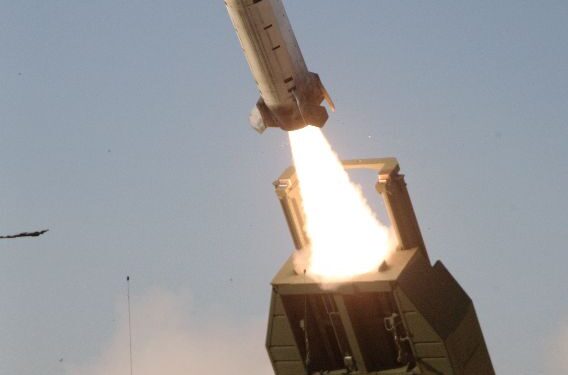
NATO Launches Long-Range Missile Project to Boost European Security

Tetha Joselyne MUGABIRWA
4 Min Read
NATO member states, including the United Kingdom, have announced a major defense investment project aimed at developing advanced long-range missile systems to enhance Europe’s security and strengthen its defense capabilities.
The project, known as “Deep Precision Strike,” is expected to cost more than £37 billion (around $50 billion). It will be implemented over the next 10 years and is set to be discussed at the NATO summit in Ankara, Turkey.
The initiative is led by the United Kingdom, with Prime Minister Sir Keir Starmer among the key leaders attending the summit. The meeting comes as European countries continue to face growing security concerns, especially due to the ongoing war between Russia and Ukraine.

The developers of the project say the new missiles will become among NATO’s most advanced weapons, with the ability to strike targets over very long distances and use precise guidance systems to improve accuracy.

The weapons are expected to have a range of between 300 and 2,000 kilometers, giving NATO greater long-range strike capabilities.

The UK Prime Minister said the project will help strengthen European unity and defense capabilities while boosting NATO’s ability to protect the continent in the coming years.

He said:

“This project will help partner countries build a stronger NATO in Europe and respond to potential security challenges.”

Although the new weapons project has been approved, Prime Minister Keir Starmer may face pressure over the pace at which the UK is increasing its military spending.

U.S. President Donald Trump has repeatedly urged NATO member states to increase their defense budgets.

At last year’s NATO summit, member states agreed to increase defense and security spending, with the goal of reaching 5% of their Gross Domestic Product (GDP) by 2035.

The United Kingdom has announced plans to invest £300 billion in defense before 2030 through its “Defence Investment Plan.”

As the NATO summit continues in Ankara, leaders are discussing ways to strengthen defense capabilities, particularly in response to cyber threats and the development of advanced weapons systems.

The UK also revealed that NATO fighter jets have been deployed more than 700 times in air defense operations, as Russian military activity near British waters has increased.

The UK government says that although NATO does not seek confrontation with Russia, the alliance must remain prepared to defend any member state that comes under attack.

British Foreign Secretary Yvette Cooper said the new long-range strike capabilities will give the UK and its allies the ability to reach key enemy military assets, helping deter potential attackers from taking aggressive actions.

She said: “New long-range strike capabilities will help strengthen our shared security and deter those who seek to undermine peace.”

During the NATO summit, Ukrainian President Volodymyr Zelenskyy urged supporting countries to speed up the delivery of air defense systems, saying they are essential in countering increasing Russian attacks.

Ukraine has continued using drones and long-range weapons to strike key Russian targets, including oil refineries and military infrastructure.

On Russia’s side, Kremlin spokesperson Dmitry Peskov said that Moscow is closely monitoring the decisions coming out of the NATO summit.

He said Russia believes that providing Ukraine with more weapons will not stop its military operations, adding that Moscow continues to view political negotiations as the best way to resolve the conflict.

The NATO summit comes as the international community closely watches developments in European security and the steps major powers are taking to strengthen their military capabilities.

Share This Article
Leave a comment

Leave a Reply

Your email address will not be published. Required fields are marked *