

Russia has spoken about the insecurity in eastern DR Congo.

Tetha Joselyne MUGABIRWA
8 Min Read

As eastern Democratic Republic of Congo (DRC) continues to be a hotspot of long-standing conflicts, residents of Uvira city and its surrounding areas say they are living in fear and growing anxiety following the renewed large-scale deployment of Burundian forces in the area.

This comes at a time when Russia has issued a strong message stressing that the security crisis in the DRC cannot be solved by military means alone, but instead requires addressing the root causes that have fueled the conflict for many years.

Although there have been several diplomatic talks in recent months, as well as agreements signed aimed at restoring peace among the various parties involved in the crisis, developments on the ground continue to show that stability has not yet been achieved. Tensions between Kinshasa, Kigali, and other countries in the region remain high, while armed groups and foreign forces continue to play a role in the ongoing conflicts in eastern DRC.

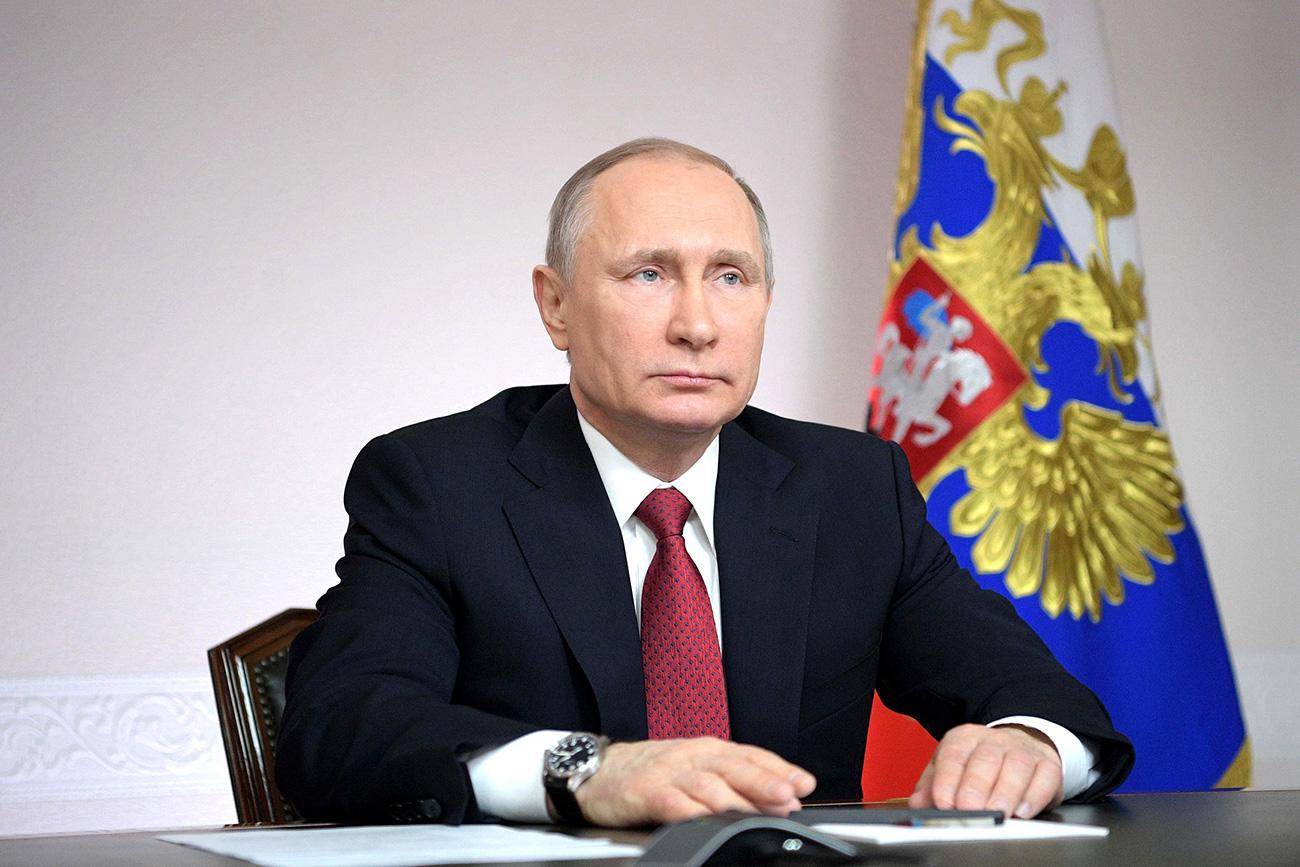
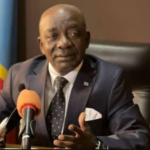
Russia’s Foreign Minister, Sergey Lavrov, recently stated that his country is ready to contribute to efforts aimed at reconciling Rwanda and the DRC and supporting the peace process in the Great Lakes region.

In his message delivered in Moscow, Lavrov stated that Russia maintains good relations with both Rwanda and the DRC, and that it would like to see tensions between the two countries reduced. He added that it would be unrealistic to expect peace to be achieved in the near future, as there are still deep-rooted issues that have not yet been resolved.

He further emphasized that the conflicts in eastern DRC did not begin recently, but are rooted in historical problems that have accumulated over many years. According to him, these include the activities of armed groups, violence against civilians, reported killings in different areas, as well as issues of discrimination that some communities say they have faced.

Lavrov also addressed the role of the M23 rebel group, saying that although the government of the DRC considers it an illegal armed group, it is a force with enough influence and weight that the issues it raises cannot be ignored in efforts to achieve lasting peace through dialogue.

In his remarks, Lavrov also reminded that the recent agreements signed between DRC President Félix Tshisekedi and Rwandan President Paul Kagame cannot produce sustainable results if the commitments made by both sides are not fully respected.
He focused strongly on the issue of the FDLR armed group, which has long been accused by Rwanda and several international actors. According to Russia, dismantling this group is one of the key steps that should be implemented in order to build trust and create conditions for lasting peace.

Moscow stated that it has not yet seen sufficient evidence that the plan to dismantle the FDLR has been effectively implemented as previously agreed. Russian officials added that this situation continues to weaken confidence in the peace process, as different parties keep accusing each other of cooperating with armed groups.

While diplomatic talks continue abroad, military activities on the ground in the DRC are intensifying.

Reports from Uvira indicate that a large number of Burundian troops entered the city through the Kavimvira border crossing. These forces joined FARDC units as well as Wazalendo fighters who have been operating in the area for several days following recent changes along the frontlines.

Residents and civil society representatives say the troops initially gathered near Kavimvira roundabout before being deployed to strategically important areas, particularly roads linking Uvira to other key locations in Uvira Territory and the Rusizi Plain.

Some analysts say that the deployment of these troops could be aimed at further securing the city and preventing any renewed fighting from reaching Uvira if the situation on the frontlines changes again.

Despite the continued increase in military activity, it is the civilian population that continues to bear the heavy burden of the consequences of this ongoing conflict.

Residents of Uvira say that since changes in the city’s administration earlier this year, their lives have been significantly affected. Some report that looting, property destruction, and general insecurity have forced many people to flee their homes.

Reports from various human rights organizations indicate that some residents have said they were subjected to looting or saw their property damaged, a situation that has continued to raise concern across different parts of the city.

In particular, some members of the Banyamulenge community say they have faced discrimination and fear of insecurity, prompting many families to relocate to areas they consider to be relatively safer.

Due to these security concerns, many residents have continued fleeing to Kamanyola, where they say they hope to find greater safety than in the areas they left behind.

Those who have arrived there report that, despite facing the hardships of displacement such as lack of basic necessities, shelter challenges, and poverty, they still feel they have a better chance of living in relative security compared to their previous locations.

Humanitarian organizations have raised concerns about the living conditions of these displaced people, particularly women, children, and the elderly, who continue to be heavily affected by the ongoing consequences of the conflict.

As Russia continues to call for the resolution of the root causes of the conflict, developments on the ground continue to reflect a region still far from lasting peace.

The deployment of large numbers of troops, the continued presence of armed groups, agreements that are not fully implemented, and the growing number of displaced civilians all highlight the enduring complexity of the security situation in eastern DRC.

At present, residents of South Kivu, Uvira, Fizi, Minembwe, and other areas affected by the conflict continue to question whether sustainable peace is truly achievable. While international actors keep issuing diplomatic statements, local populations say what they need most is security, justice, and a life free from fear.

For now, the peace that civilians hope for remains more of a strong aspiration than a visible reality on the ground.
Share This Article
Leave a comment

Leave a Reply

Your email address will not be published. Required fields are marked *