

Tshisekedi Extends the Conflict to Football

Tetha Joselyne MUGABIRWA
3 Min Read

Rwanda’s Government Spokesperson Yolande Makolo Criticizes DR Congo President Félix Tshisekedi for Attacking Rwanda After Les Léopards’ World Cup Draw with Portugal

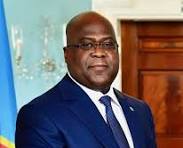
On the evening of June 17, 2026, President Félix Tshisekedi was among the spectators at the FIFA World Cup match in which DR Congo drew 1-1 with Portugal. The match was played in Houston, United States.
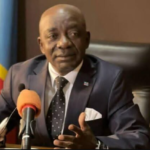
In a post on X, Yolande Makolo said that DR Congo’s national football team, Les Léopards, had given Africans a moment of pride and celebration with its impressive World Cup debut, but Tshisekedi chose to use the occasion to make remarks targeting both Rwandans and Congolese.

“President Tshisekedi chose to spoil this moment by insulting Rwandans and Congolese, while on U.S. soil announcing that he will continue military operations in eastern DRC,” she said.
Speaking these remarks on United States territory is seen as showing disregard for the role the country has played—and continues to play—in efforts to bring peace to the Great Lakes region, particularly through the Washington agreements, which focused on dismantling the terrorist group FDLR and removing Rwanda’s defensive measures.

Yolande Makolo also accused President Félix Tshisekedi of using the excitement generated by the DR Congo national team’s World Cup performance for political gain.

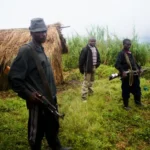
During his remarks to Congolese citizens living in the United States, Tshisekedi referred to the AFC/M23 armed group, which has controlled large parts of eastern DR Congo for an extended period, saying his government had identified collaborators working with the group.

He stated that while he previously believed these individuals were only based in Rwanda, they have now been found as far as Kinshasa. He added: “Witches do exist. We thought they were only in Rwanda, but they have infiltrated us.”

Tshisekedi’s celebrations also led him to promise Congolese citizens living in the United States that, in the near future, the FARDC would soon recapture the cities of Goma and Bukavu.

He did not stop there, as he also accused his predecessor, Joseph Kabila, of having come to power with the support of foreign forces following the assassination of his father, Laurent-Désiré Kabila.

Share This Article
Leave a comment

Leave a Reply

Your email address will not be published. Required fields are marked *