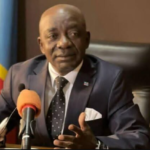



President Félix Tshisekedi of the Democratic Republic of the Congo is facing growing pressure from opposition politicians as well as religious leaders who have criticized his proposal to amend the country’s Constitution. The critics argue that the planned constitutional changes could undermine democratic principles and have called on the government to abandon the initiative.
Opposition leaders in the Democratic Republic of the Congo united against President Félix Tshisekedi after both chambers of Parliament voted in favor of a referendum that could pave the way for amendments to the Constitution. They formed a coalition known as C64 to oppose the constitutional reform project.
On July 8, 2026, C64 leaders, including Martin Fayulu, Delly Sesanga, Jean-Marc Kabund, and their supporters, planned to stage a major protest outside the Office of the President, demanding Tshisekedi’s resignation and accusing him of betraying the nation.
Tshisekedi sought the intervention of Burundi’s President Évariste Ndayishimiye, who currently chairs the African Union (AU), to facilitate dialogue with the opposition leaders. Talks were held in Gitega with the participation of religious leaders, and the planned protest was postponed to July 22.
Following the meetings with Ndayishimiye, the opposition leaders demanded that Tshisekedi publicly announce the suspension of his constitutional amendment project. They warned that if he failed to do so, they would proceed with their planned demonstrations calling for his resignation.
Senior leaders of the ruling Union Sacrée coalition condemned C64’s planned protests, describing them as an attempt to overthrow President Félix Tshisekedi’s government, an act they said amounts to treason.
After concluding that the talks held in Burundi had produced no concrete results, President Félix Tshisekedi turned to religious leaders whom he had previously ignored when they urged him to launch an inclusive national dialogue among Congolese citizens. The two sides subsequently held discussions.
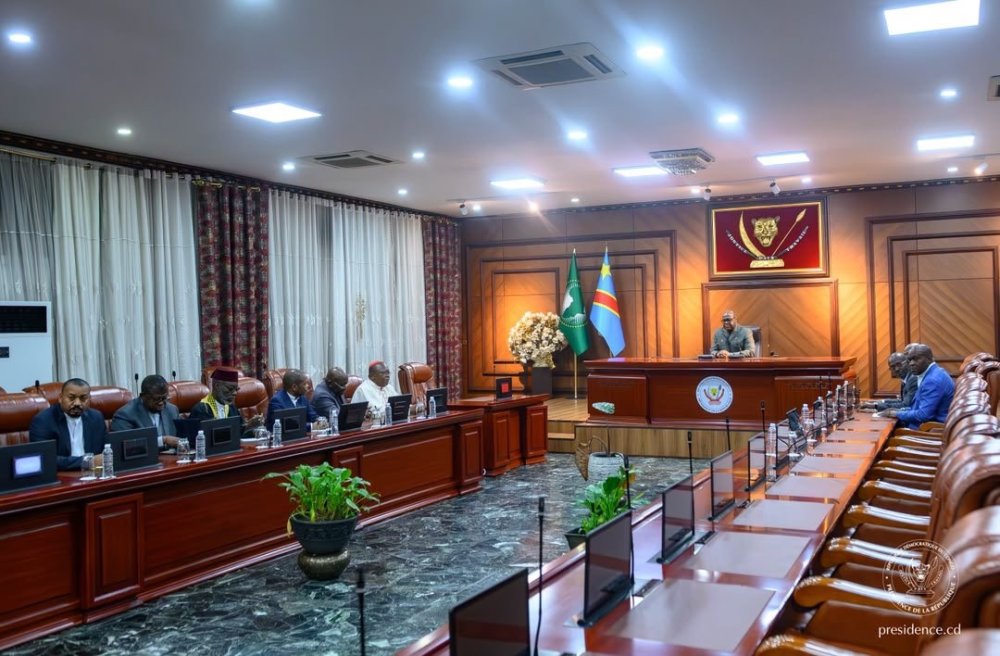
Tshisekedi met representatives of the Catholic Church and the Anglican Church at the Presidential Office on July 17, where they discussed the possibility of an inclusive inter-Congolese dialogue. On the same day, the President announced that preparations for the dialogue would begin.
The spokesperson for the DRC government, Patrick Muyaya, stated that Tshisekedi’s administration had not changed its position, stressing that it was not prepared to engage in dialogue with Congolese groups that had not openly condemned what the government described as aggression in the eastern part of the country.
Muyaya said, “The inclusiveness of this dialogue must be based on patriotism, support for the country’s sovereignty, and above all, a commitment not to be accomplices.”
Religious leaders announced that, following their meeting with Tshisekedi, they would also hold talks with politicians from the C64 coalition to determine whether they would be willing to suspend the protests scheduled for July 22 while their demands were being considered.
The first meeting between the opposition politicians and the religious leaders took place in Kinshasa on July 18. They are expected to announce on July 20 whether they have decided to postpone or cancel the planned demonstrations.
The spokesperson for the Anglican Church in the Democratic Republic of the Congo, Pastor Eric Nsenga, said that members of the C64 coalition want a detailed explanation of what President Félix Tshisekedi means by an “inclusive dialogue.” They also want to know whether he is prepared to suspend his proposed constitutional amendment project.
Religious leaders also say their own concerns remain unanswered. Since early 2025, they have been advocating for an inclusive national dialogue that would include representatives of armed groups opposing the government, including AFC/M23 and CRP. They argue that involving all parties is the only way to achieve a lasting solution to the country’s ongoing crisis.
Patrick Muyaya’s remarks suggest that, although Tshisekedi has shown greater openness to dialogue, he still has no intention of holding talks with armed groups or with those the government accuses of collaborating with or supporting them.