



While the Democratic Republic of Congo continues to debate the draft proposal to revise or amend the Constitution, various voices are increasingly questioning whether this is the country’s most urgent issue at this time, as insecurity and ongoing conflict continue to claim many lives in the eastern part of the country.
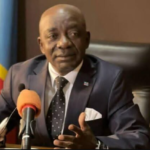
Nkanga reminded that the 2006 Constitution resulted from a broad consensus reached after wars that had devastated the country, and that it enabled the DRC to achieve its first peaceful transfer of power since independence in 1960.
He said the issue should not be constitutional change itself, but rather that priority should first be given to the urgent problems facing the country, particularly the insecurity that continues to escalate in eastern Congo.
While constitutional and institutional reform debates continue in Kinshasa, residents in the highlands of Minembwe continue to live in fear of daily gunfire and attacks.
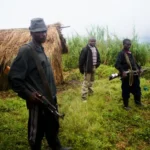
Information from local residents and various other sources in Minembwe indicates that early this Wednesday morning, FARDC forces, in collaboration with Burundian troops, the Wazalendo armed groups, and the FDLR, once again carried out attacks on Banyamulenge-inhabited villages on the outskirts of Minembwe Centre, especially in the Gakenke area.
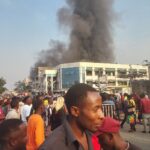
These are attacks that followed others carried out the previous day in the areas of Bidegu, Kalongi, Mikenke, and Kalingi, where residents report that heavy fighting took place and some people were forced to flee their homes in order to survive.
Residents in these areas say they continue to face severe challenges, including forced displacement, food shortages, lack of access to healthcare, and growing psychological trauma affecting many families.
Different analysts continue to question whether the country should place significant emphasis on political debates over the Constitution while large parts of the eastern region remain engulfed in conflict.
In reality, many consider the security crisis to be the most urgent issue, as it directly impacts the lives of citizens, the country’s economy, and the unity of Congolese people.
There are voices arguing that before launching major debates on a new Constitution, priority should be given to finding lasting solutions to security problems, ending hostilities, protecting civilians, returning displaced people to their homes, and holding deeper dialogues aimed at building sustainable peace.
As political factions continue to disagree over the future of the Constitution, many residents in eastern Congo say that what they need above all else is peace and security.
They argue that no political reforms can be meaningful as long as people continue to flee daily, villages are burned, and individuals are killed or lose their property.
For them, peace is the foundation of development, democracy, and national unity. They therefore call on the leadership of the DRC and international partners to prioritize security issues above all else.
As the conflict continues to escalate in the highlands of Minembwe and other parts of South Kivu province, both Congolese and international attention remains focused on how the Kinshasa authorities will balance political reforms with citizens’ demand for lasting peace.
So far, fighting continues in several areas near Minembwe, while residents keep appealing for urgent assistance and protection to safeguard their lives and property.