



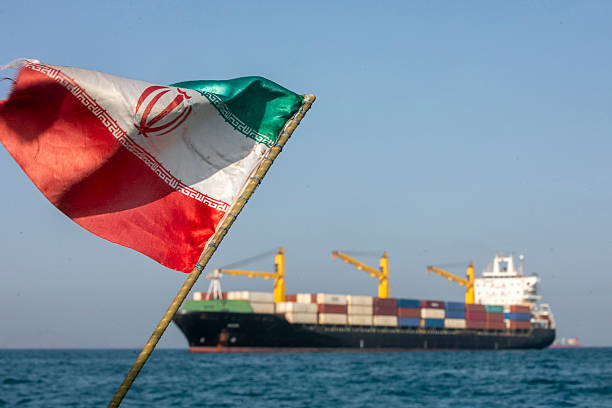
Iranian forces have announced the closure of the Strait of Hormuz, a strategic waterway through which nearly 20% of the world’s oil supplies are transported, in response to military strikes carried out by the United States, raising concerns about potential disruptions to global energy markets and international shipping.
The Islamic Revolutionary Guard Corps (IRGC) announced that, effective June 11, 2026, all oil tankers and commercial vessels are prohibited from passing through the Strait of Hormuz, warning that any ship violating the ban would be targeted.
The closure of the strategic waterway coincides with an escalation in Iran’s military campaign against U.S. forces in the Middle East, with attacks launched on June 10 against American bases in Bahrain, Kuwait, and Jordan.
According to the IRGC, the strikes hit Sheikh Isa Air Base in Bahrain, Ali Al Salem and Ahmad Al Jaber bases in Kuwait, and Al-Azraq Air Base in Jordan, while two oil tankers attempting to navigate the Strait of Hormuz were also reportedly targeted.
Iran states that its military actions are a form of retaliation, claiming that U.S. forces struck its facilities in Karaj and ports along the Strait of Hormuz, while tensions continue to escalate between the two sides.
The United States, however, says its strikes were a response to the downing of an American military helicopter over the Strait of Hormuz, which was reportedly engaged in monitoring oil transportation activities.
U.S. President Donald Trump warned that American forces would respond with heavy military action after Iran shot down the surveillance helicopter operating in the region.
The Strait of Hormuz is a vital global oil transit route, and past closures have triggered sharp economic shocks; during a previous shutdown linked to conflict involving Iran, oil prices surged from under $80 to around $120 per barrel, while transportation costs, fertilizer prices, and passenger travel expenses also increased significantly worldwide.