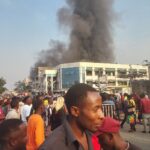



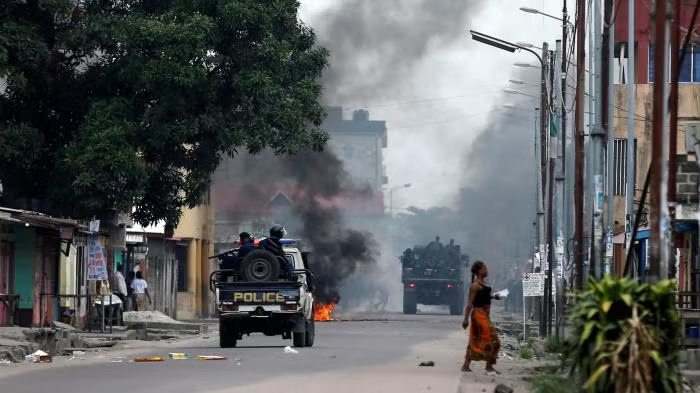
KINSHASA Large parts of the Democratic Republic of Congo’s capital, Kinshasa, came to a standstill as opposition groups intensified their campaign against President Félix Tshisekedi’s proposed constitutional reforms, a move critics fear could pave the way for him to remain in power beyond the end of his final term in 2028.
The “ville morte” (dead city) protest, called by opposition leaders, saw many businesses remain closed, public transport disrupted and residents urged to stay home as a sign of resistance to the government’s constitutional agenda. The demonstrations mark the latest chapter in a growing political confrontation that is rapidly becoming one of the most divisive issues in Congolese politics.
President Félix Tshisekedi first announced plans for a constitutional review in late 2024, arguing that the current constitution, adopted after a referendum in 2005 and implemented in 2006, no longer reflects the country’s realities. He has maintained that reforms are necessary to improve governance, address institutional inefficiencies and strengthen national sovereignty.
However, opposition parties and civil society organizations remain unconvinced. They argue that any attempt to rewrite the constitution could weaken democratic safeguards, particularly the provision limiting presidents to two five-year terms. Tshisekedi was re-elected in December 2023 and is currently serving what is constitutionally his final mandate.
A coalition of opposition figures—including former presidential candidates Martin Fayulu and Moïse Katumbi, as well as allies of former President Joseph Kabila—has accused the government of attempting to alter the constitutional order for political gain.
In a joint opposition statement, leaders called on citizens to mobilize against what they described as efforts to undermine democratic checks and balances. The coalition argues that the constitution was designed to guarantee peaceful transfers of power and prevent the return of authoritarian rule.
“The constitution was meant to prevent authoritarian drifts and guarantee democratic transitions of power,” opposition spokesperson Shadary Ramazani said while defending the campaign against the proposed reforms.
Opposition leader Martin Fayulu has been among the most vocal critics of the reform project, warning that constitutional changes could trigger political instability at a time when the country is already facing security challenges in its eastern provinces. Fayulu and other opposition figures have urged Congolese citizens to defend the existing constitutional framework through peaceful civic action.
Government officials have rejected allegations that the reforms are intended to extend Tshisekedi’s presidency. Communications Minister Patrick Muyaya has repeatedly called for a depoliticized debate, insisting that critics should not assume the president’s intentions before the reform process has even begun.
“We’re at the beginning of our mandate. The President of the Republic still has four years to go,” Muyaya told reporters, arguing that discussions about constitutional reform should focus on national interests rather than political speculation.
Supporters of the president contend that the current constitution was drafted during a fragile post-conflict period and no longer adequately addresses contemporary challenges facing the nation. Members of the ruling coalition say reforms could help improve institutional efficiency and strengthen the state’s capacity to respond to regional security threats.
The debate has sharply divided political parties, churches and civil society organizations. While some groups have endorsed constitutional changes, others have warned that any attempt to modify presidential term limits would likely provoke widespread resistance reminiscent of previous political crises in the country.
With the opposition planning additional demonstrations and the government pressing ahead with consultations, the constitutional reform issue is increasingly shaping the political landscape of the Democratic Republic of Congo. Analysts warn that how both sides manage the dispute in the coming months could determine whether the country navigates the debate peacefully or enters a new period of heightened political tension.